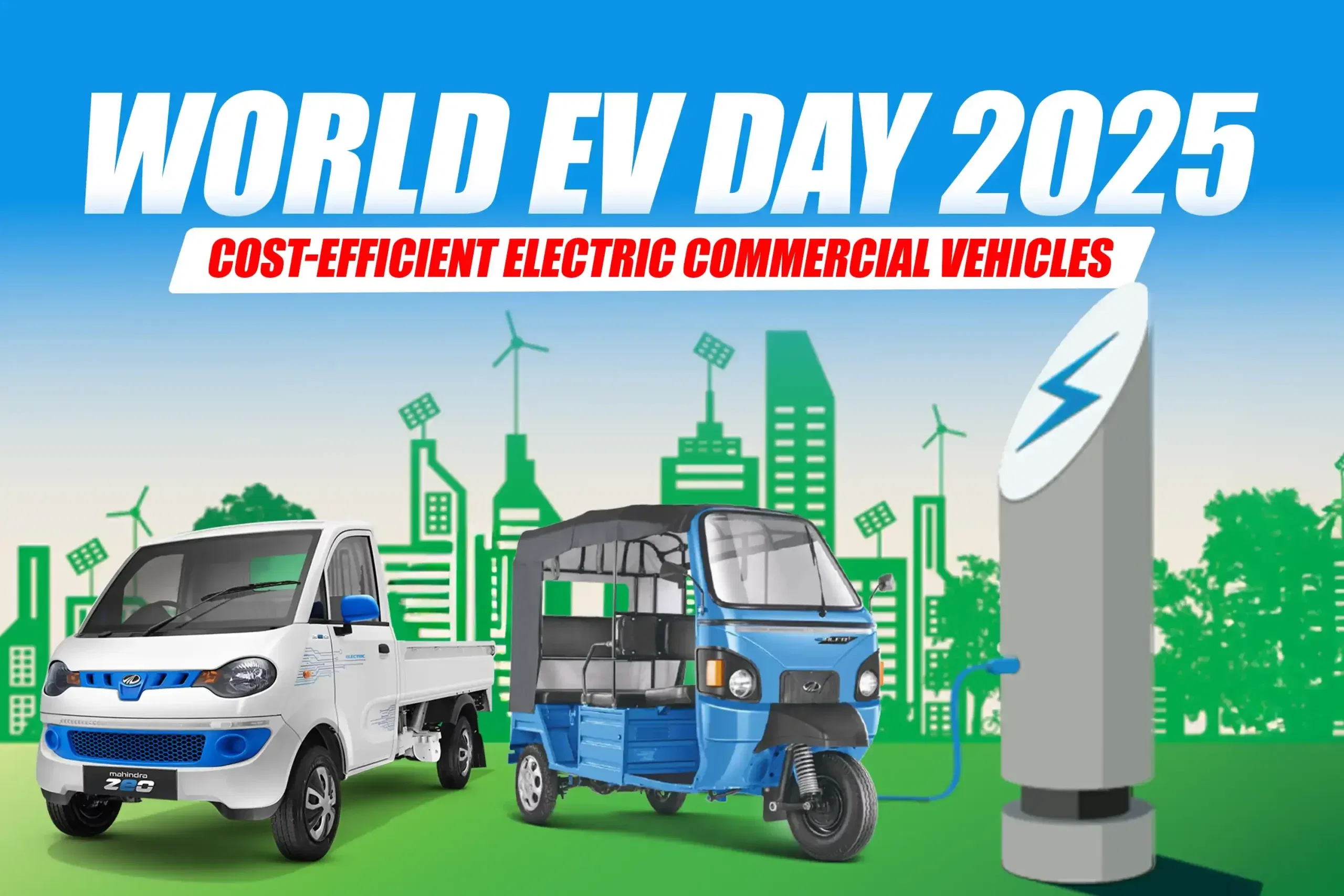
As World EV Day 2025 gets underway, the spotlight falls on an underappreciated but critical area of the electric shift — electric commercial vehicles. From electric trucks moving cargo along highways to electric buses rolling along city streets and electric autos revolutionizing last-mile delivery, the commercial EV space is revolutionizing sustainable mobility.
Growing Demand for Electric Commercial Vehicles
Fleet operators are now under increasing pressure — not just to save costs but to save on emissions. Both governments and private industries urge fleets to be zero-emission. What's the outcome? A skyrocketing demand for cost-effective electric trucks, low-maintenance electric buses, and low-cost electric autos.
Why now? Fossil fuel prices are still unstable. In the meantime, EV infrastructure has been continuously expanding. Battery technology has advanced a lot. And with new incentives, it is no longer a luxury to own an electric commercial vehicle — it is smart business.
Operational Cost Savings: A Tangible Advantage
While initial expenses continue to plague some operators, the long-term benefits far exceed them. Electric trucks have lower fuel expenses, minimal maintenance, and fewer mechanical breakdowns. A diesel motor can last 800,000 km, but an electric drive? It easily surpasses that — and with less moving equipment.
Consider, for instance, a medium-range electric bus. Although its price tag is perhaps 25–30% higher than that of a diesel equivalent, the cost of ownership (TCO) evens out in five to seven years — usually shorter, depending on usage and routes.
Zero Emission Mandates Boost EV Adoption
Urban areas now implement zero-emission zones. Delhi, London, and Amsterdam levy a penalty for diesel use. The policy change compels logistics and public transport companies to switch to electric commercial vehicles in large numbers.
For most, a move to electric autos for last-mile delivery has been accompanied by not only regulation compliance but also better brand image and public goodwill. Cleaner air, less noise on the roads, and lower operating costs constitute a triple benefit.
Tech Innovation Empowers EVs to Be Smarter, Less Expensive
EV technology no longer resides exclusively in high-end vehicles. In 2025, commercial EVs are fitted with sophisticated telematics, route optimization powered by artificial intelligence, and battery health analysis. These technologies optimize uptime and enhance range performance, particularly for electric commercial fleets that are driven by efficiency.
Charging infrastructure is changing as well. With quicker, decentralized charging units, electric buses and trucks no longer have to come back to base, allowing for continuous operation.
Market Leaders of India's EV Commercial Segment
In India, the momentum is maintained by players such as Tata Motors, Mahindra Electric, Euler Motors, and Olectra Greentech. Tata's Ultra T.7, Mahindra's Treo Zor, and Olectra electric buses rule critical routes in metro cities.
OEMs are now creating EVs with India's road conditions, payload requirements, and fleet budgets in mind. The outcome is a fast-growing list of electric commercial vehicles in India that are pragmatic, powerful, and profitable.
What Lies Ahead After World EV Day 2025?
World EV Day 2025 is symbolic, but the influence it has is very real. The transition to electric commercial vehicles from fossil-fueled fleets marks a wider shift in global public transport and logistics. Efficiency and affordability are now at the forefront of this revolution.
As businesses expand fleet electrification, the vision becomes more distinct — a greener, cost-effective, and competitive future, where every auto, bus, and truck is electric.
91Trucks is the place to go for all things commercial vehicles. If you need a new or used truck for your business, check it out. We have everything you need, from detailed reviews and exact specs to the best deals that fit your business needs. Stay up to date on the latest news, analysis, and stories from the business.
Follow us on Facebook, Instagram, and LinkedIn, and subscribe to our YouTube channel to get the latest news and videos from experts!
Read More
Web Stories
Latest commercial-vehicle News
 Amazon Partners With Eicher Trucks for EV Delivery Expansion in IndiaAmazon India is expanding its fast delivery service through Amazon Now by adding 1000 electric trucks as part of their logistics network. These trucks will be supplied by VE Commercial Vehicles and its subsidiary Eicher Trucks & Buses and will be...4 min readIG
By Indraroop
Thu May 21 2026
 Ashok Leyland Launches Twin Fuel DOST and DOST+ XL in IndiaAshok Leyland has launched two new Light Commercial Vehicles (LCV)- the Twin Fuel DOST and DOST+ XL- which have produced a practical and environmentally-friendly way of last-mile delivery. The launch took place on April 16, 2026, in New Delhi, as par...3 min readIG
By Indraroop
Thu Apr 16 2026
 Tata Motors Lucknow Plant Crosses 10 Lakh Commercial Vehicles MilestoneThe Tata Motors Ltd.'s manufacturing plant located in Lucknow has produced a total of 10th lakh commercial vehicles over the last thirty years and recently celebrated this achievement with a ceremony that was attended by representatives from the Gove...4 min readIG
By Indraroop
Wed Apr 15 2026
 Bajaj Launches WEGO Electric 3-Wheeler Range with Up to 296 km RangeBajaj Auto has released a brand new range of electric three-wheelers called WEGO. According to Bajaj, the company has one of the largest selections of EV three-wheelers in India, with varieties catering to both passenger and freight uses. Five separa...3 min readIG
By Indraroop
Tue Apr 14 2026
 Tata Motors Bags Orders for More Than 5,000 Buses from State Transport UndertakingsTata Motors has received an order from several state transport undertakings (STUs) across India to deliver more than 5,000 buses and/or bus chassis. The order includes transport corporations located in the states of Maharashtra, Gujarat, North Wester...3 min readIG
By Indraroop
Mon Mar 16 2026
 Mahindra UDO Electric Auto Price Rs. 3.59 Lakh – Specs and MileageMahindra UDO, an Electric Three-Wheeler, has been officially launched in India, with an introductory price tag of Rs. 3.58-3.59 lakhs. This new model joins the highly evolving and dynamic space of last-mile mobility with a singular focus on range, co...3 min readIG
By Indraroop
Fri Feb 13 2026
 Mahindra LMML Launches Udo Electric Three-Wheeler, a Step Towards Increased Urban EV AdoptionMahindra Last Mile Mobility Limited (LMML), has launched an electric three-wheeler named Udo under the urban passenger mobility segment. It is reported that the company has added a new model to its electric portfolio, for urban-based transport operat...3 min readIG
By Indraroop
Thu Feb 12 2026
 GreenCell Mobility Plans Deployment of 570 Electric Buses to Expand Delhi’s Public Transport NetworkDelhi has been expanding its clean mobility space as 570 electric buses are being readied to be deployed across Delhi in the next few months by GreenCell Mobility. This move complements Delhi’s efforts in enhancing its zero-emission public transporta...4 min readIG
By Indraroop
Mon Feb 09 2026
 Euler Motors, Jio-bp Join Hands to Boost EV Charging Network for Commercial FleetsA Memorandum of Understanding between Euler Motors, a major automotive original equipment manufacturer, and Jio-bp, a traditional energy player, has been signed, which should have a major impact on the charging infrastructure for EVs used in commerc...3 min readIG
By Indraroop
Mon Feb 09 2026
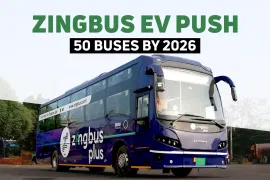 Zingbus Expands EV Push with 50 Electric Buses Planned for 2026, Eyes 1,000 by 2030Zingbus, the India-based intercity travel platform, has announced a strategic expansion of its electric bus rollout, planning to deploy 50 new electric buses in 2026 as part of a broader mobilisation towards cleaner, long-distance travel. This initia...4 min readIG
By Indraroop
Fri Feb 06 2026