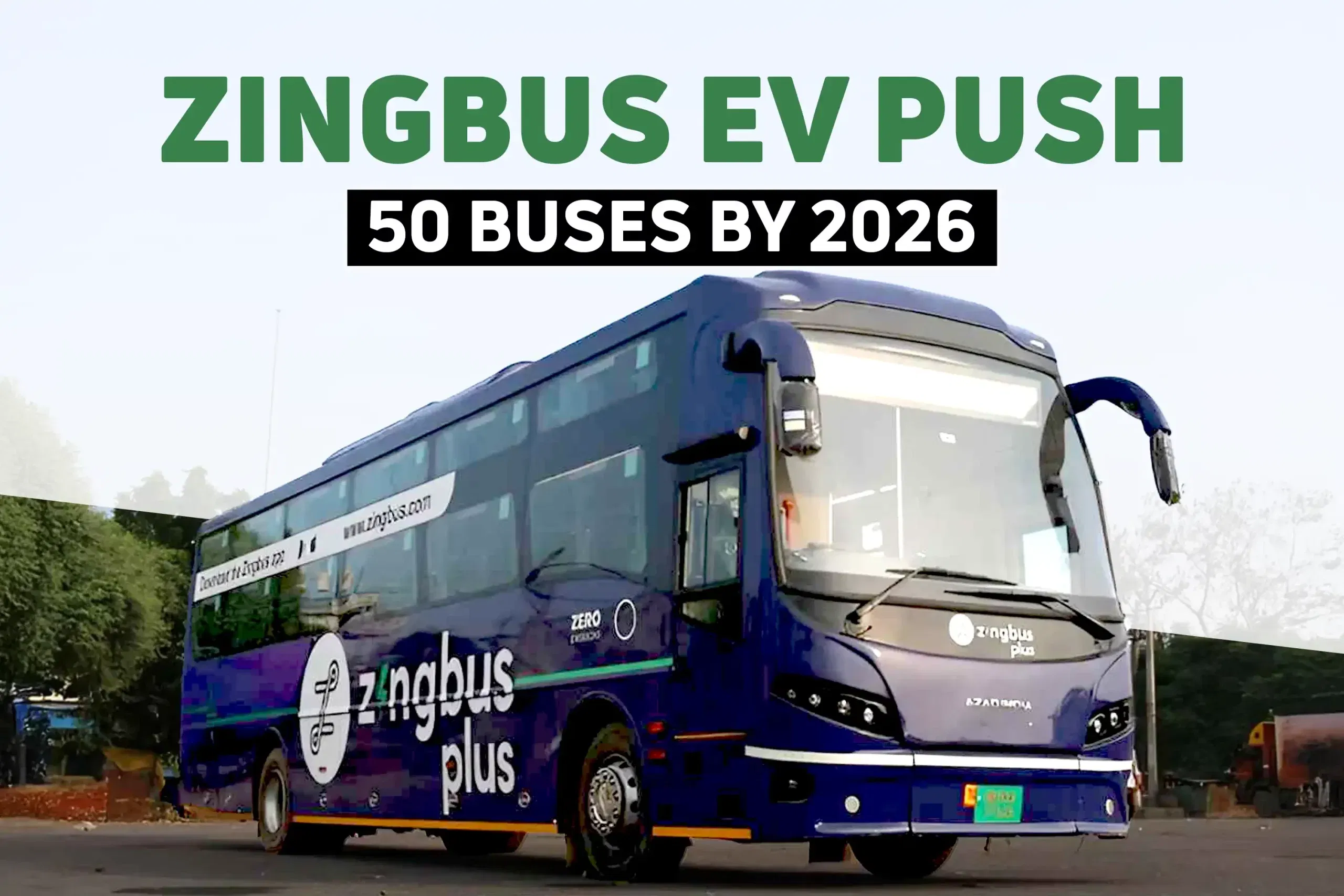
Zingbus, the India-based intercity travel platform, has announced a strategic expansion of its electric bus rollout, planning to deploy 50 new electric buses in 2026 as part of a broader mobilisation towards cleaner, long-distance travel. This initiative represents a tangible shift in the operator’s fleet mix, moving the business away from conventional diesel coaches and aligning with wider shifts in India’s transport sector towards reduced emissions and sustainable mobility.
The 2026 plan, while modest in fleet size compared with traditional diesel buses, is significant because it signals accelerated electrification in the intercity segment, which historically has lagged behind urban public transport in EV adoption. Zingbus officials have indicated that this first phase will focus on key high-demand corridors where charging infrastructure has matured, ensuring service reliability while reducing the risk of operational disruptions.
To support the deployment of these electric coaches, Zingbus has entered a partnership with leasing partner Drivn, adopting an asset-light model. This leasing arrangement is intended to spread upfront costs and enable scaling without heavily burdening the company’s capital reserves. The approach also allows the operator to retain attention on service delivery, route optimisation, and customer experience while electric buses are gradually integrated into scheduled operations.
According to industry commentary, early customer feedback on electric routes suggests passengers appreciate the quieter ride, smoother acceleration, and reduced cabin vibration relative to diesel equivalents, factors that contribute to an overall improved travel experience on longer journeys.
Looking beyond the immediate horizon, Zingbus has articulated a long-term ambition to expand its electric fleet to up to 1,000 buses by 2030, a target that would materially alter the composition of its total active fleet and reflect broader momentum in electrifying commercial road transport. This 2030 target is consistent with larger mobility sector initiatives across India, where government programmes and industry partnerships are directing resources toward tens of thousands of electric buses under schemes like PM e-Drive and other incentives.
Despite the clear growth roadmap, operators like Zingbus face ongoing challenges, including the pace of charging infrastructure roll-out on long-distance routes, total cost of ownership pressures, and the need to ensure uptime and operational resilience. How effectively these hurdles are addressed will influence not just Zingbus’ EV ambitions but the broader viability of electric intercity travel in India’s evolving transport ecosystem.
91Trucks is the place to go for all things commercial vehicles. If you need a new or used truck for your business, check it out. We have everything you need, from detailed reviews and exact specs to the best deals that fit your business needs. Stay up to date on the latest news, analysis, and stories from the business.
Follow us on Facebook, Instagram, and LinkedIn, and subscribe to our YouTube channel to get the latest news and videos from experts!
Web Stories
Latest Buses News
 Tata Motors Bags Orders for More Than 5,000 Buses from State Transport UndertakingsTata Motors has received an order from several state transport undertakings (STUs) across India to deliver more than 5,000 buses and/or bus chassis. The order includes transport corporations located in the states of Maharashtra, Gujarat, North Wester...3 min readIG
By Indraroop
Mon Mar 16 2026
 GreenCell Mobility Plans Deployment of 570 Electric Buses to Expand Delhi’s Public Transport NetworkDelhi has been expanding its clean mobility space as 570 electric buses are being readied to be deployed across Delhi in the next few months by GreenCell Mobility. This move complements Delhi’s efforts in enhancing its zero-emission public transporta...4 min readIG
By Indraroop
Mon Feb 09 2026
 Ashok Leyland Signs MoU with PT Pindad for Electric Bus and Defence Vehicle ProjectsIndian bus and commercial vehicle manufacturer Ashok Leyland has signed a strategic Memorandum of Understanding (MoU) with Indonesian state-owned defence and industrial company PT Pindad to jointly work on the development of electric buses and defenc...3 min readIG
By Indraroop
Thu Feb 05 2026
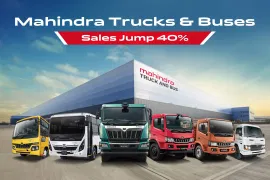 Mahindra Trucks and Buses Accelerates Growth, Logs 40% Sales Rise in JanuaryIn January, Mahindra and Mahindra’s Trucks & Buses Division showed a 40% increase in sales over the previous year, selling a cumulative total of 3,065 commercial vehicles. This is a positive sign for the commercial vehicle market in India, which...4 min readIG
By Indraroop
Wed Feb 04 2026
 Telangana Invites Lady Drivers to Take Command of Public Buses Marking a Significant Milestone Telangana has deliberately included women in the mainstream of their transportation services workforce by calling for expressions of interest from women to join as bus drivers for the first time as part of this systemic government-level initiative. T...4 min readIG
By Indraroop
Tue Dec 23 2025
 From Tata Winger to Force Urbania and More: Top-4 Tempo Travellers for Family Roadtrips This WinterSUVs and MPVs are hot favourites among Indian families. But when it comes to taking the extended families on long road trips this 2025 winter, a tempo traveller can provide all the comforts that no passenger vehicle can claim to offer. So move over I...4 min readPV
By Pratham
Fri Dec 19 2025
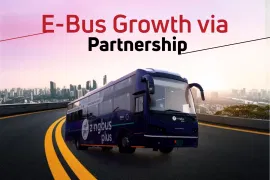 Zingbus Grows Electric Bus Fleet via New Operator Partnership ModelIntercity smart mobility technology platform Zingbus has scaled up its EV initiative by aggregating fleets through partnerships with bus operators rather than owning and operating the fleet all by themselves. It has moved away from a Company-Owned, C...3 min readIG
By Indraroop
Tue Dec 02 2025
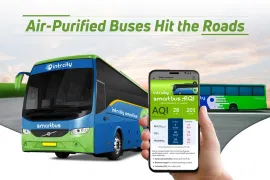 IntrCity Rolls Out Advanced Air-Purified Intercity Bus Fleet Across North IndiaIntrCity SmartBus has deployed a new fleet of air-purified coaches on key intercity corridors in North India, amid growing concern about air quality during long-distance travel. The rollout introduces SmartBus.AQI, a service built around continuous i...4 min readIG
By Indraroop
Mon Nov 24 2025
 Is It Time to Retire Sleeper Buses?Sleeper buses used to feel like a reasonable option for long-distance travel, comfortable, inexpensive and quick. But two recent tragedies and the growing evidence of system failures, raises a bigger question: Should we say farewell to sleeper buses?...7 min readJS
By Jyoti
Tue Nov 18 2025