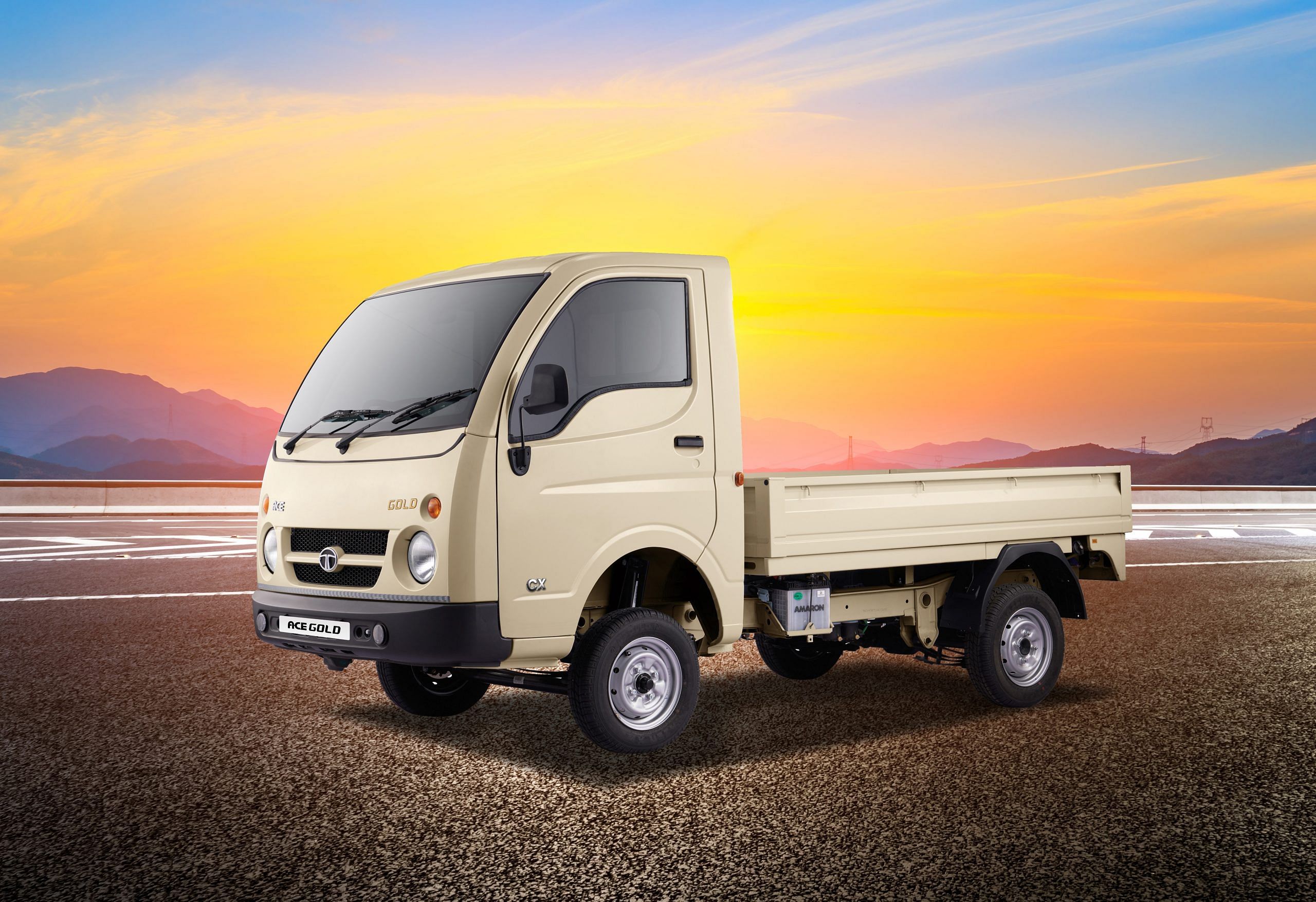
As a truck driver, you must always run a pre-drive check before you start your journey. If you don't, it will cost you your time, money and sometimes even your safety. Whether you are driving a mini pickup truck or a 22-wheeler, you need to run a few checks before you hit the road.
Assume your truck is an athlete. It needs to be prepared for the upcoming game. If there is a small leak, an under-inflated tire or maybe even an expired permit, you could get stuck in the middle of nowhere with no way to reach out for help and a bunch of angry clients waiting for you.
In this article, we will look at some of the pre-drive checks you must do before you start your journey.
- Visual Inspection
Before you run any in-depth checks, you should run an overview visual check. All you have to do is walk around your truck. It sounds simple, but you'd be surprised by how many issues drivers miss when skipping this:
- Check for any fluid leaks on the underside of the truck. This comprises engine oil, coolant, or brake fluid. A new puddle or several drops of petrol are some of the earliest warning signs.
- Check for loose wires, hanging mudflaps, or cracked side panels.
- Make sure nothing is obstructing your license plate or registration stickers. A few states are becoming more strict with penalties for such mistakes.
This quick check is particularly important for older fleets or heavy-use vehicles such as the Tata Ace mini truck, which tend to experience frequent, short-distance usage in congested locations.
- Tyre Condition & Pressure
The condition of your tire decides the type of journey you are going to have; if it doesn't have enough air, the journey is going to be quite bumpy. But it's more than that; it carries the weight of the cargo, absorbs shock and impacts your fuel efficiency. This is what you need to look out for while running a tyre check:
- Check the pressure in the tyre. Use a proper tyre pressure gauge. Don't just thump them and guess.
- Inspect all tyres, including the spare, for cracks, cuts, bulges, or nails.
- Check that the tread depth meets safety standards. Bald tyres increase braking distance.
Under-inflated tyres don't just consume a lot of fuel; they are a disaster waiting to happen. This is especially true for heavy-duty hauliers, where a single blowout can cause a multi-lane mess. On the other hand, over-inflated tyres on a mini truck can reduce grip, making turns on narrow urban streets much more dangerous.
- Lights & Indicators
Never take your lights and indicators for granted. Bad visibility can be a huge disaster. Run the following checks on the light and indicator:
- Check headlights, tail lights, brake lights, indicators, and hazard lights.
- Confirm that dashboard warning lights turn off after ignition.
- Wipe down dirty lenses; sometimes, it's just dust or moisture causing a dull beam.
Drivers operating during early morning deliveries or through late-night urban routes know that a malfunctioning indicator in stop-start traffic can be quite disastrous.
- Fuel & Fluid Levels
Running out of fuel is every truck driver's nightmare. This is how you ensure you do not run out of fuel in the middle of a delivery:
- Top up your fuel tank, especially on longer routes.
- If it's dark and sloppy, it's time to switch.
- Check levels of coolant, particularly during summer.
- Inspect brake fluid, power steering fluid where applicable, and windshield washer fluid.
You can also choose to keep a small stock of top-up fluids in the truck, especially if you're driving through remote highways where service stations are rare.
- Brakes & Clutch
Bad brakes are a dealbreaker. Already check the brakes before you leave for the road.
- Press the brake pedal and feel the resistance. If it feels too soft or too hard, something's wrong.
- Engage the handbrake and check if the vehicle holds its place on a slope.
- Test the clutch pedal for smooth operation. Any stiffness or excessive play is worth a mechanic's attention.
- In a 22-wheeler, let the air pressure build fully before moving. Air brakes need proper pressure to engage effectively.
- Documents & Permits
Having the right documents when you are driving a truck is mandatory. Before you leave for the road, check if you have the following documents:
Always check:
- RC book
- Driver's license (check expiry!)
- PUC certificate
- Valid insurance papers
- National and state permits, especially for inter-state driving
The Tata Ace mini truck is often used for hyperlocal deliveries, but if you're crossing jurisdictions, even within a city, make sure you're legally covered.
- Mirrors, Wipers & Horn
Clear vision and communication are everything.
- Adjust side mirrors and rearview mirrors for minimal blind spots.
- Ensure wipers move smoothly and don't streak.
- Test your horn and reverse alert. A silent truck in a noisy Indian market? That's asking for trouble.
Always keep a microfibre cloth in your cab. A quick mirror wipe during pit stops helps maintain visibility.
- Load Security
A lot of road truck accidents take place because of unevenness in the distribution of the load. Always:
- Double-check lashing, netting, or tarpaulin.
- Ensure the load doesn't shift when braking.
- Evenly distribute the weight, especially critical for lightweight chassis like that of the Tata Ace.
Improperly secured cargo not only damages goods but can get you fined or even banned from key freight hubs.
- Emergency Kit
You need to always be ready for an emergency, so keep the following with you at all times:
- A first-aid kit, a fire extinguisher, and a basic tool kit.
- A torch, extra batteries, and reflective triangles should be easily accessible.
- In monsoons, include a pair of rubber gloves and a rain poncho.
Rechargeable headlamps are a great investment; they free your hands during night repairs.
- Driver Readiness
Finally, let's talk about the driver—you.
- Did you sleep at least 6–7 hours?
- Are you hydrated and fed?
- Have you taken a short walk to wake up your muscles?
- Is your mobile phone fully charged and the emergency contact list updated?
Long drives, heavy cargo, and unpredictable road conditions require mental and physical alertness. This is especially important when driving high-investment vehicles that fall in the upper bracket of the 22-wheeler truck range.
Why Does This Matter?
Too many drivers treat pre-drive checks like a formality. They glance around, maybe thump a tyre, and call it a day. But this could lead to many problems.
Every minute you spend checking your truck before the drive, you are saving yourself.
In conclusion, a good pre-drive routine isn't about fear or the Tata Ace price that you have paid; it's about preparation. If you look after your truck, it will work like one.
These 10–15 minutes of daily discipline over time save lakhs in repairs, delayed deadlines, fines, and even accidents. They also establish your reputation as a good driver and reduce the overall price of a Tata 22-wheeler truck since you spend less on maintenance.
Web Stories
Latest Trucks News
 Tata Ace Turns 21; Tata Motors Launches Ace Gold+ XL for Last-Mile LogisticsTata Motors has marked 21 years of its small commercial vehicle, the Tata Ace, with the launch of the new Ace Gold+ XL. The model arrives as an extension of the existing Ace range, aimed at improving load capacity and efficiency in last-mile transpor...3 min readIG
By Indraroop
Wed May 06 2026
 Ashok Leyland Launches Twin Fuel DOST and DOST+ XL in IndiaAshok Leyland has launched two new Light Commercial Vehicles (LCV)- the Twin Fuel DOST and DOST+ XL- which have produced a practical and environmentally-friendly way of last-mile delivery. The launch took place on April 16, 2026, in New Delhi, as par...3 min readIG
By Indraroop
Thu Apr 16 2026
 Mahindra Trucks and Buses Accelerates Growth, Logs 40% Sales Rise in JanuaryIn January, Mahindra and Mahindra’s Trucks & Buses Division showed a 40% increase in sales over the previous year, selling a cumulative total of 3,065 commercial vehicles. This is a positive sign for the commercial vehicle market in India, which...4 min readIG
By Indraroop
Wed Feb 04 2026
 Budget 2026–27 Could Deliver Major Boost to Trucks, Commercial VehiclesThe Union Budget for 2026-27 India focuses on infrastructure development, which is expected to generate long-term momentum for the trucks and commercial vehicles sector. The increase in public sector capex indicates the government's focus on improvin...4 min readIG
By Indraroop
Mon Feb 02 2026
 Ashok Leyland Introduces Taurus and Hippo Heavy-Duty Trucks in IndiaAfter more than half a century of silence, two of the most recognizable names in India’s heavy trucking story are coming back. Ashok Leyland is set to launch the Taurus and Hippo trucks, not as nostalgic throwbacks, but as fully re-engineered, modern...3 min readPV
By Pratham
Thu Jan 22 2026
 Mahindra Unveils New Bolero Camper and Pik-Up Range with Fresh Design, Features and Comfort FeaturesBeing a prominent manufacturer of commercial vehicles in the Indian automotive industry, Mahindra & Mahindra Ltd. has introduced new variants of both the Bolero Camper model and the Bolero Pik-Up model of the Bolero series of utility vehicles, wh...3 min readIG
By Indraroop
Thu Jan 22 2026
 Tata Motors Launches Updated Ultra Truck Line-up with EV and Diesel OptionsThe Ultra name has always lived in a slightly different space. Not flashy like heavy trucks, not barebones either. It’s the range that quietly handles city runs, hub-to-hub movement, and the middle ground between last-mile and long haul.With today’s...4 min readPV
By Pratham
Tue Jan 20 2026
 Tata Motors Expands the Prima Lineup With a Mix of Electric and Diesel Heavy TrucksTata Motors has launched new trucks in their existing Prima lineup. With the latest additions to the Prima range, Tata Motors has made it clear that it isn’t betting on a single path for heavy trucking. Instead, the company has widened the Prima port...3 min readPV
By Pratham
Tue Jan 20 2026
 Tata Motors Launches New Signa Trucks at Bharat Mandapam Truck launches are usually loud affairs, big claims, bigger screens and a lot of words that don’t mean much once you leave the hall. Today’s Signa launch at Bharat Mandapam felt different and just more confident.Tata Motors introduced six new Signa m...5 min readPV
By Pratham
Tue Jan 20 2026
 Tata Motors Introduces the Azura Series With Three New TrucksWith the introduction of the Azura series, Tata Motors has quietly reshaped its approach to the light and intermediate truck space. Instead of trying to stretch one product across multiple payload classes, the company has rolled out three separate mo...3 min readPV
By Pratham
Tue Jan 20 2026