Diesel Heavy Trucks in India
Diesel Heavy trucks meet a broad spectrum of commercial transportation needs, but the practical utilization of these trucks ultimately lies in the adaptation of their use to specific needs each day. While in some instances these trucks may perform their tasks along predictable routes within cities, in other scenarios they might be forced to undertake extended journeys under different load conditions.
These trucks, whose primary uses include logistics, construction and freight transport, focus on durability and reliable operations. Simultaneously, Diesel setups are generally known for consistent fuel economy and reliable operations. The key point here is not just functionality but reliability within diverse operating environments that may vary on a daily basis.
Price List of Diesel Heavy Trucks in India 2026
| Model | Price |
|---|---|
| Dost XL | ₹7.80 Lakh |
| Jeeto | ₹4.68 Lakh |
| Intra V50 | ₹9.40 Lakh |
| Ace Gold Diesel | ₹5.99 Lakh |
| Intra V10 | ₹6.75 Lakh |
| Last Updated: Sep 14, 2026 | |
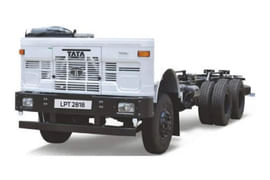
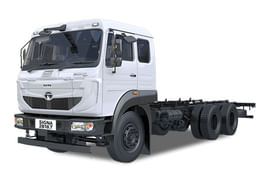
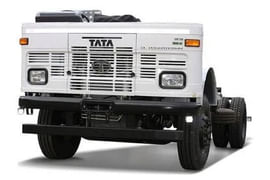
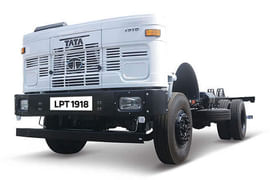
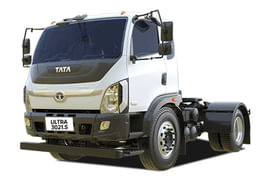
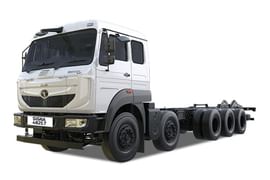
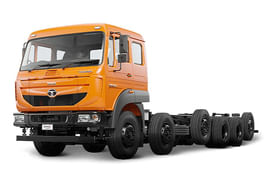

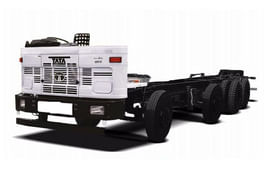
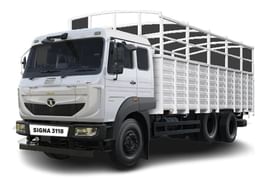
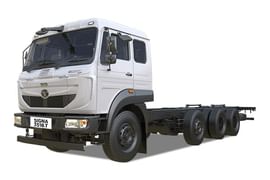
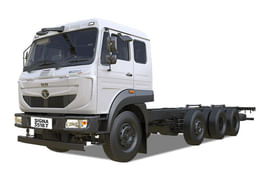
Most Popular Comparison
Popular Diesel Heavy Truck Models in India
Diesel Heavy truck models include popular options like Dost XL, Jeeto, Intra V50, Ace Gold Diesel and Intra V10 chosen based on different operational needs and use cases.
The key to their popularity does not lie in any unique features but rather is payload carrying ability, mileage predictability and suitability to different Heavy applications.
Diesel Heavy Trucks Price in India
The Diesel Heavy truck price in India is not limited to any specific range. The lowest Diesel Heavy truck price starts from ₹3.95 Lakh, but the prices can go up to ₹90.00 Lakh.
There are various factors that affect the truck price. For example, the differences in the wheel base or the cabin design can affect the prices. Moreover, the type of Heavy being talked about, whether its entry level or high capacity, affects the truck price. Another aspect which determines the truck price is the extra features that add to the price of the truck.
The low end trucks are more practical and affordable whereas the higher priced models offer better performance and comfort.
Key Features of Diesel Heavy Trucks in India
Across this category, certain features appear consistently, though their execution may differ from one model to another.
-
Reliable Diesel engine setups designed for sustained usage
-
Payload capacities aligned with typical Heavy demands
-
Reinforced chassis structures to handle load stress over time
-
Suspension systems tuned for mixed road conditions
-
Cabins that attempt, sometimes successfully, to reduce driver fatigue
-
Fuel efficiency figures that remain stable under regular operating loads
Individually, none of these elements are unusual. Together, they define how usable the truck feels over extended periods.
Applications of Diesel Heavy Trucks in India
The application range for these trucks is not rigid, which is perhaps why they remain widely used. While certain use cases are more common, operators often adapt vehicles depending on demand cycles.
Typical applications include:
-
Logistics and cargo distribution
-
Construction material transport
-
Urban and semi-urban delivery routes
-
Agricultural supply movement
-
Industrial goods handling
Interestingly, the same truck may shift roles over time. What begins as a city-focused vehicle may later find use in regional operations, it happens more often than one might assume.
Mileage and Performance of Diesel Heavy Trucks in India
Mileage continues to be a crucial aspect in analyzing Diesel trucks, despite its limited use as a single criterion in such assessments. Such trucks are usually engineered to offer steady fuel economy under both urban and highway settings.
The engine size is calibrated in such a way that it facilitates easy loading without exerting additional pressure on the engine. Torque generation also becomes importantar in ensuring that the truck maintains high levels of performance under loaded circumstances.
What to Consider Before Buying Diesel Heavy Trucks in India?
Before finalising a purchase, buyers often evaluate several practical considerations. The availability of a reliable Diesel supply network is essential, particularly for operations spread across different regions. Resale value also plays a role, as it can influence long-term ownership cost.
Equally important is the strength of the service network, along with maintenance requirements over time. Ultimately, the truck must align with the intended Heavy application, something that may not always be clear from specifications alone.
Why Choose 91Trucks Before Buying Diesel Heavy Trucks?
91Trucks is an organized system for comparing various Diesel Heavy trucks, allowing potential buyers to go beyond scattered information. Rather than depending on fragmented facts and figures, one can consider many features together.
GVW, cost, engine size, efficiency and other such factors can be compared to determine the best choice. Buyers can base their decisions on their needs rather than any presumptions