Electric Bus Under 15 Lakh in India
Electric Under 15 Lakh buses in India serve a wide range of commercial passenger transportation requirements across urban, semi-urban, and long-distance travel operations. These buses are commonly used for public transport services, staff mobility, tourism activities, institutional transportation, and route-based passenger movement. Buyers often prefer these vehicles for their operational reliability, efficient performance, passenger comfort, and suitability for different road and business conditions.
Depending on the application, operators can choose from multiple seating layouts, body configurations, and performance-focused variants within this category. With evolving transportation needs and growing demand for efficient mobility solutions, Electric buses continue to play an important role in the Indian commercial vehicle market.
List of Electric Under 15 Lakh buses in India
| Model | Price |
|---|---|
| Starbus EV 4 12 Low Entry Electric Bus | Price Coming Soon |
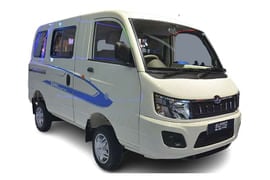
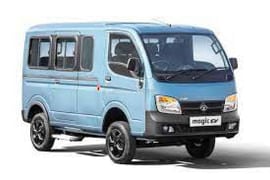
| E-Supro Van | ₹4,38,000 |
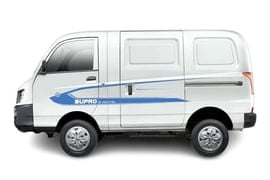
| E-Supro Cargo Van | ₹11,75,000 |
| Starbus Urban City Electric | Price Coming Soon |
| Starbus EV 4 12 Low Floor Electric | Price Coming Soon |
| Last Updated: Oct 12, 2026 | |
Tata
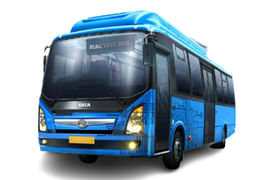
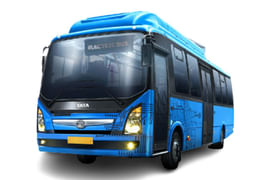
Starbus EV 4 12 Low Entry Electric Bus
Electric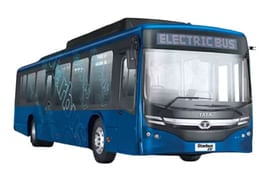
Price coming soon
+11No Of Seats
35
Power
328
Fuel Type
Electric
Tata
Starbus EV 4 12 Low Floor Electric
Electric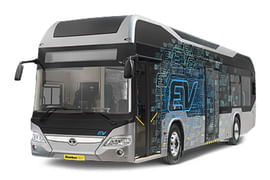
Price coming soon
+1No Of Seats
31
Power
200
Fuel Type
Electric
Most Popular Comparison
Popular Electric Under 15 Lakh Bus Models in India
Several manufacturers offer buses in the Electric Under 15 Lakh segment to meet varying transportation and operational requirements. These models differ in passenger capacity, technology, comfort features, and overall driving performance.
These buses remain popular among fleet operators because they balance operational efficiency, passenger convenience, maintenance requirements, and long-term usability. Buyers also evaluate factors such as mileage, service support, and vehicle durability before selecting the right model.
About Electric Under 15 Lakh Buses in India
The pricing of Electric buses in India varies based on vehicle configuration, passenger seating capacity, body design, features, and intended application. Ex-showroom pricing may differ across states and variants due to taxation, registration charges, and additional equipment requirements.
Within this category, buyers can explore options ranging from economical transportation solutions to premium commercial passenger carriers. The starting price of buses in this segment begins from approximately ₹4,38,000, while higher-end variants can go up to around ₹11,75,000 depending on specifications and feature availability.
Factors that commonly influence pricing include:
-
Vehicle dimensions and seating layout
-
Engine output and performance tuning
-
Safety and comfort features
-
Suspension setup and chassis quality
-
Brand positioning and after-sales support
-
Advanced connectivity or fleet management systems
Key Features of Electric Under 15 Lakh Buses in India
Electric buses in this category are designed to support commercial passenger transport operations efficiently across different usage conditions.
Key highlights include:
-
Advanced powertrain options for smooth performance
-
Comfortable passenger seating arrangements
-
Durable chassis construction for long operational life
-
Efficient suspension systems for improved ride quality
-
Optimized fuel efficiency and lower operating costs
-
Multiple seating and body configurations
-
Reliable braking and safety systems
-
Cabin features designed for driver convenience
-
Application-focused variants for city and highway usage
Applications of Electric Under 15 Lakh Buses in India
These buses are widely used across several passenger mobility applications in India. Their adaptability makes them suitable for both private and commercial transportation operations.
Common applications include:
-
Public transportation services
-
Intercity and highway passenger travel
-
School and educational institution transport
-
Employee and staff commuting operations
-
Tourism and hospitality transport services
-
Shuttle and route-based passenger movement
-
Institutional and contract carriage operations
Different configurations allow fleet owners and operators to select buses according to passenger load, travel distance, and operational requirements.
Mileage and Performance of Electric Under 15 Lakh Buses in India
Mileage and overall vehicle performance remain important considerations for commercial vehicle buyers. Electric buses are developed to deliver dependable operational efficiency while supporting long working hours and varying road conditions.
Performance may vary depending on:
-
Passenger load
-
Driving conditions
-
Terrain and route usage
-
Transmission configuration
-
Vehicle maintenance practices
Many buses in this category are equipped with engines that support better fuel economy, smoother power delivery, and improved driving stability. Operators also benefit from refined suspension systems, optimized torque output, and enhanced drivability during daily transport operations.
What to Consider Before Buying Electric Under 15 Lakh Buses in India?
Before purchasing a bus in this category, buyers should carefully evaluate operational needs, running costs, and long-term business requirements.
Important factors to consider include:
-
Overall passenger carrying requirement
-
Fuel efficiency and operational performance
-
Availability of service and maintenance support
-
Brand reliability and resale value
-
Seating comfort and passenger convenience
-
Spare parts availability
-
Application suitability
-
Initial ownership and lifecycle cost
-
Safety features and compliance standards
-
Route conditions and travel distance
Comparing multiple variants can help businesses identify a vehicle that aligns with both operational goals and budget expectations.
Why Choose 91trucks Before Buying Electric Under 15 Lakh Buses?
91trucks helps commercial vehicle buyers compare different Electric bus models based on important business and operational requirements. Buyers can evaluate vehicles using parameters such as pricing, seating capacity, mileage, engine specifications, application suitability, features, and overall performance.
The platform also allows users to:
-
Compare multiple variants in one place
-
Explore detailed specifications
-
Check updated commercial vehicle information
-
Review feature comparisons
-
Analyze operational suitability for different businesses
By comparing different models efficiently, buyers can select the most suitable bus for their transportation requirements.