Electric Under 10 Lakh Trucks in India
Electric Under 10 Lakh trucks occupy a space that isn’t defined by a single use case. They move goods, support construction activity, handle distribution, often all within the same operational cycle. That flexibility is part of the reason they continue to remain relevant across business sizes.
The Electric Under 10 Lakh trucks positioning may shift depending on configuration, but the underlying expectation rarely does. Buyers typically look for vehicles that can sustain daily workloads without introducing complexity. Not necessarily the most advanced. Not always the most basic either. Somewhere in between, where durability and efficiency meet without friction.
List of Electric Under 10 Lakh Trucks in India 2026
| Model | Price |
|---|---|
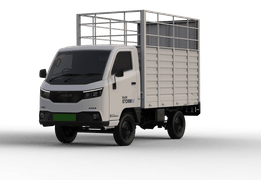
| Turbo EV 1000 | ₹6.00 Lakh |
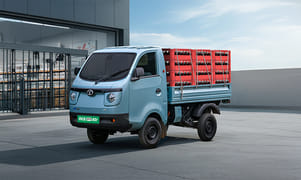
| Ace EV | ₹10.51 Lakh |
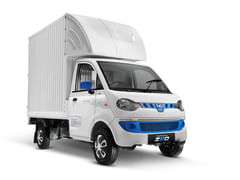
| Zeo | ₹8.19 Lakh |
| Ace Pro EV | ₹6.50 Lakh |
| Pro 2055 EV | ₹27.00 Lakh |
| Last Updated: Sep 14, 2026 | |


Most Popular Comparison
Popular Electric Under 10 Lakh Truck Models in India
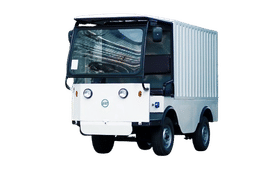
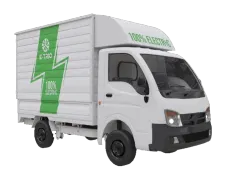
Across this segment, certain models tend to surface more frequently in buyer consideration sets. Names like Turbo EV 1000, Ace EV, Zeo, Ace Pro EV and Pro 2055 EV come up not because they follow a single formula, but because each addresses a slightly different operational need.
Some are chosen for their payload handling. Others, for how they manage fuel consumption over longer routes. A few lean toward driver comfort, which over time becomes less of a luxury and more of a requirement. There isn’t a fixed benchmark here and that’s precisely why the segment feels broad rather than restrictive.
About Electric Under 10 Lakh Trucks in India
Pricing within the Electric truck category doesn’t follow a straight line. It shifts, sometimes subtly, sometimes significantly based on variant selection, load capacity, cabin design and the kind of application the vehicle is built for. Entry-level configurations usually keep things straightforward, focusing on essential functionality. Move upward and the changes become more visible: improved cabins, higher payload ratings, additional features that may not seem critical at first glance but tend to matter over extended use.
The pricing for Electric trucks generally ranges from ₹2.25 Lakh to ₹1.15 Cr. Entry-level models focus on basic transport needs, while higher-end variants offer better payload capacity, improved cabin features and more refined performance.
Key Features of Electric Under 10 Lakh Trucks in India
-
Engines calibrated for steady, load-bearing performance rather than short bursts
-
Payload capacities that align with varied business demands
-
Reinforced chassis structures designed for long-term usage
-
Fuel efficiency that supports predictable operating costs
-
Cabins evolving toward better ergonomics and reduced driver fatigue
Applications of Electric Under 10 Lakh Trucks in India
-
Logistics and cargo transport across intercity and regional routes
-
Construction material movement, including sand, cement and aggregates
-
Urban and last-mile distribution where maneuverability matters
-
Agricultural produce transport such as grains, fruits and vegetables
-
Industrial goods movement for small to mid-scale operations
-
E-commerce and FMCG distribution requiring frequent, shorter trips
Mileage and Performance of Electric Under 10 Lakh Trucks in India
While mileage stats can be useful, they rarely reveal the whole picture since performance can vary depending on application, load levels, conditions and driver habits. However, Electric trucks are designed to operate reliably and consistently, rather than produce variable results.
The power of the engine, especially the torque rating, is carefully considered so that it will respond usefully when required, whether it is navigating slopes, handling loads, or stopping and starting in congested traffic conditions.
What to Consider Before Buying Electric Under 10 Lakh Trucks in India?
A purchase decision in this segment usually goes beyond specifications listed on paper. The availability of a dependable Electric network can influence day-to-day operations more than expected, especially in less urban routes.
Resale value enters the conversation too, some configurations hold their position better in the secondary market. Then there’s the service network, maintenance cycles and overall cost of ownership. None of these factors work in isolation. They overlap and ignoring one often affects the others.
Why Choose 91Trucks Before Buying Electric Under 10 Lakh Trucks?
91Trucks simplifies what is otherwise a fragmented search process. Buyers can compare Electric Under 10 Lakh trucks across parameters like gvw, sub-category, application suitability, engine capacity and mileage, without switching between multiple sources.
The idea isn’t just a comparison for the sake of it. It’s about identifying which configuration aligns with actual usage, not assumed requirements