Electric City Buses in India
Electric City buses are developed to support diverse passenger transportation requirements across India . These buses are commonly used for public transport operations, intercity mobility, tourism movement, institutional travel and staff transportation services. Built to handle varying operating conditions, these vehicles generally focus on durability, passenger comfort and operational efficiency.
In many cases, operators select Electric buses because they balance running costs with long-term usability. At the same time, the suitability of a particular City often depends on passenger capacity requirements, route conditions and daily usage patterns.
Price List of Electric City buses in India
| Model | Price |
|---|---|
| 9M | ₹1.00 Cr |
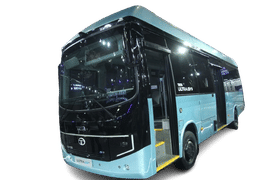
| Ultra Ev 9 | ₹17.45 Lakh |
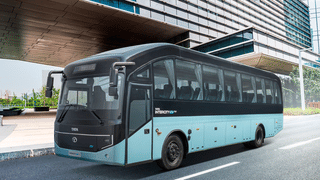
| Intercity EV 2.0 | ₹21.00 Lakh |
| Starbus EV 4 12 Low Entry Electric Bus | ₹2.20 Cr |
| Hiroi.ev | ₹26.10 Lakh |
| Last Updated: Sep 07, 2026 | |
Most Popular Comparison
Popular Electric City Bus Models in India
The Indian market includes several widely recognized Electric City bus models that address different transportation requirements. Popular models such as 9M, Ultra Ev 9, Intercity EV 2.0, Starbus EV 4 12 Low Entry Electric Bus and Hiroi.ev are frequently considered by fleet owners and transport operators across multiple applications.
₹2.20 Cr
These models generally remain popular because they offer a practical combination of passenger capacity, operational efficiency and suitability for different route conditions. Some models may focus more on comfort-oriented travel, while others are selected for urban transport efficiency or long-distance reliability.
About Electric City Buses in India
The Electric City bus segment in India covers a broad pricing range that varies according to vehicle configuration, passenger capacity and operational purpose. The most affordable models in this category generally begin from Starbus EV 4 12 Low Entry Electric Bus, while premium configurations can extend up to Starbus EV 4 12 Low Entry Electric Bus.
Several factors influence the overall pricing structure of these buses. Differences in chassis design, seating layout, suspension setup and passenger capacity often affect the final cost. Similarly, variations in technology, comfort features and intended applications can also contribute to pricing differences across the category.
Entry-level buses are typically selected for practical transport requirements and controlled operating budgets. Higher-end variants, meanwhile, may provide enhanced passenger comfort, additional safety technologies and improved long-distance travel capability.
Key Features of Electric City Buses in India
Although specifications differ between models, certain features remain common across the category:
-
Efficient Electric engine configurations designed for commercial passenger movement
-
Passenger carrying capacities suitable for different transportation applications
-
Durable chassis structures engineered for continuous operations
-
Suspension systems developed to improve ride stability across varying road conditions
-
Cabin and seating arrangements intended to improve passenger comfort
-
Fuel-efficient performance aimed at reducing operational expenses
-
Safety and braking systems configured for reliable daily usage
-
Configurations suitable for urban, regional and highway transportation requirements
Together, these features contribute to operational dependability and long-term usability within different commercial transport environments.
Applications of Electric City Buses in India
The operational flexibility of Electric City buses allows them to serve multiple transportation sectors. Their usage often depends on route structure, passenger demand and business requirements.
Typical applications include:
-
Public city transportation
-
Intercity and highway passenger services
-
School and educational institution transport
-
Employee and staff commuting operations
-
Tourism and travel services
-
Airport and hotel shuttle movement
-
Group transportation for events and commercial operations
Interestingly, many operators adapt the same bus for multiple functions over time, depending on seasonal demand and route requirements.
Mileage and Performance of Electric City Buses in India
Mileage remains an important consideration for fleet operators evaluating Electric City buses. Operational efficiency directly affects running costs, especially for vehicles operating across long distances or high-frequency urban routes.
Most buses in this category are developed to maintain balanced fuel economy under mixed driving conditions. Engine capacity and torque output are typically calibrated to support passenger loads without compromising overall performance.
Performance characteristics may vary depending on vehicle size, passenger capacity and intended application. However, steady drivability, load-carrying capability and efficient fuel utilization generally remain key priorities across the segment.
What to Consider Before Buying Electric City Buses in India?
Before purchasing a Electric City bus, buyers usually evaluate several operational and financial considerations.
Important factors include:
-
Availability of a reliable Electric supply network
-
Suitability for specific passenger transportation applications
-
Long-term resale value within the commercial vehicle market
-
Strength and accessibility of the service network
-
Maintenance requirements and spare parts availability
-
Passenger comfort and seating configuration
-
Operational efficiency across city and highway routes
-
Compliance with applicable transport regulations and safety standards
In practical terms, selecting the right bus often depends not only on specifications but also on how efficiently the vehicle fits daily operational requirements.
Why Choose 91Trucks Before Buying Electric City Buses?
91Trucks helps buyers compare different Electric City bus models through structured vehicle information and detailed comparisons. Instead of relying on fragmented specifications, buyers can evaluate multiple operational factors together before making a purchase decision.
Users can compare aspects such as pricing, passenger capacity, mileage, engine configuration, features and intended applications. This allows transport operators and fleet owners to identify the most suitable bus according to their business requirements and operating conditions.