36 Seater Diesel Buses in India
36 seater Diesel buses in India serve multiple passenger transportation requirements across commercial and institutional operations. These buses are commonly used for public transport, employee mobility, school transportation, tourism activities and long-distance travel requirements. Built to support regular passenger movement under varying road and operational conditions, these vehicles focus on durability, operational consistency and fuel-efficient performance. The practicality of a Diesel setup often depends not only on operating economics but also on how effectively the vehicle adapts to daily transport demands across urban and intercity routes.
Price List of 36 seater Diesel Buses in India
| Model | Price |
|---|---|
| City Ride Skool | ₹21,18,060 |
| LP 410 Chassis | ₹15,60,530 |
| Pro 3009 H Chassis | Price Coming Soon |
| Last Updated: Oct 12, 2026 | |

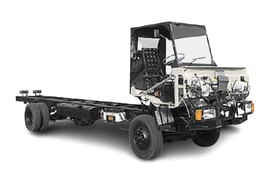
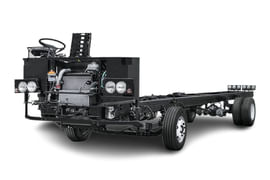
Most Popular Comparison
Popular 36 Seater Diesel Bus Models in India
The Indian market includes several 36 seater Diesel bus models designed for different passenger transport applications. Models such as City Ride Skool, LP 410 Chassis and Pro 3009 H Chassis remain widely preferred across commercial operations due to their balance of passenger capacity, operating efficiency and route adaptability. Some models are selected for city-based applications where frequent stoppages matter, while others are preferred for long-distance operations that require comfort and stable highway performance. Their popularity generally comes from reliability, manageable maintenance requirements and suitability for diverse transportation businesses.
About 36 Seater Diesel Buses in India
The pricing structure of 36 seater Diesel buses in India varies across configurations, passenger requirements and operational applications. The entry-level range generally starts from ₹15,60,530, while higher-capacity or feature-rich variants may extend up to ₹21,18,060. Differences in seating layouts, chassis structure, wheelbase dimensions and comfort-oriented features often influence the final pricing. Certain variants focus on affordability and operational practicality, whereas premium configurations may offer enhanced passenger comfort, advanced safety technologies and improved long-distance travel capability. The overall price range therefore depends on both operational purpose and vehicle specifications.
Key Features of 36 Seater Diesel Buses in India
-
Efficient and reliable Diesel engine configurations
-
Passenger carrying capacity suitable for commercial transport operations
-
Durable chassis and reinforced body construction
-
Suspension systems designed for passenger comfort across varying road conditions
-
Fuel-efficient performance for daily operational usage
-
Cabin and seating layouts developed for comfortable passenger movement
-
Configurations suitable for urban, regional and long-distance applications
-
Operational stability under regular passenger load conditions
Applications of 36 Seater Diesel in India
The application scope of 36 seater Diesel buses remains broad because transportation requirements often differ between operators and regions. These buses are commonly utilized in:
-
Public city transportation services
-
Intercity and highway passenger travel
-
School and educational institution transportation
-
Employee and staff commuting operations
-
Tourism and group travel services
-
Airport and hotel shuttle transportation
-
Regional and semi-urban passenger movement
Operational usage may also evolve over time depending on business requirements. A bus initially deployed for urban transportation may later support tourism or institutional travel operations.
Mileage and Performance of 36 Seater Diesel in India
Mileage continues to influence purchasing decisions within the commercial passenger vehicle segment. 36 seater Diesel buses are generally developed to deliver balanced fuel efficiency alongside stable passenger carrying performance. Engine configurations are calibrated to support both city and highway applications without compromising operational reliability. Torque delivery plays an important role during fully loaded conditions, especially across long-distance routes or uneven terrain. Performance characteristics may vary between variants, yet operational consistency and manageable running costs remain important across this category.
What to Consider Before Buying 36 Seater Diesel Buses in India?
Before purchasing a 36 seater Diesel bus, buyers often evaluate several operational and long-term ownership factors:
-
Availability of a reliable Diesel supply network
-
Passenger capacity requirements based on application type
-
Strength of aftersales and service network
-
Maintenance and operating costs over time
-
Vehicle suitability for city or highway usage
-
Comfort and safety features for passengers
-
Resale value across commercial markets
-
Compliance with operational and route requirements
The ideal vehicle selection generally depends on how closely the bus aligns with daily passenger transport demands rather than specifications alone.
Why Choose 91Trucks Before Buying 36 Seater Diesel Buses?
91Trucks helps buyers compare different 36 seater Diesel bus models through a structured and organized platform. Buyers can evaluate buses on the basis of price, seating configuration, mileage, engine performance, application suitability and operational efficiency. Instead of depending on fragmented market information, users can compare specifications, features and business suitability together to identify the right vehicle for their transportation requirements.